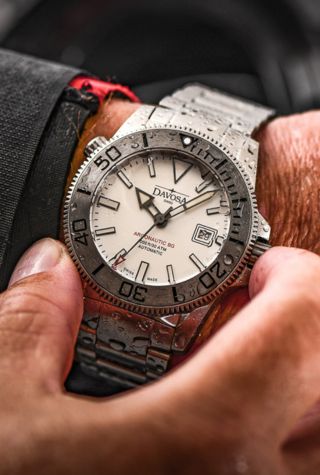


Most watch dials are painted, printed or stamped. A meteorite dial is sliced from a rock that crossed space before it ever reached us. That is the whole appeal, and it is also why serious collectors keep one in the box.
What is a meteorite dial?
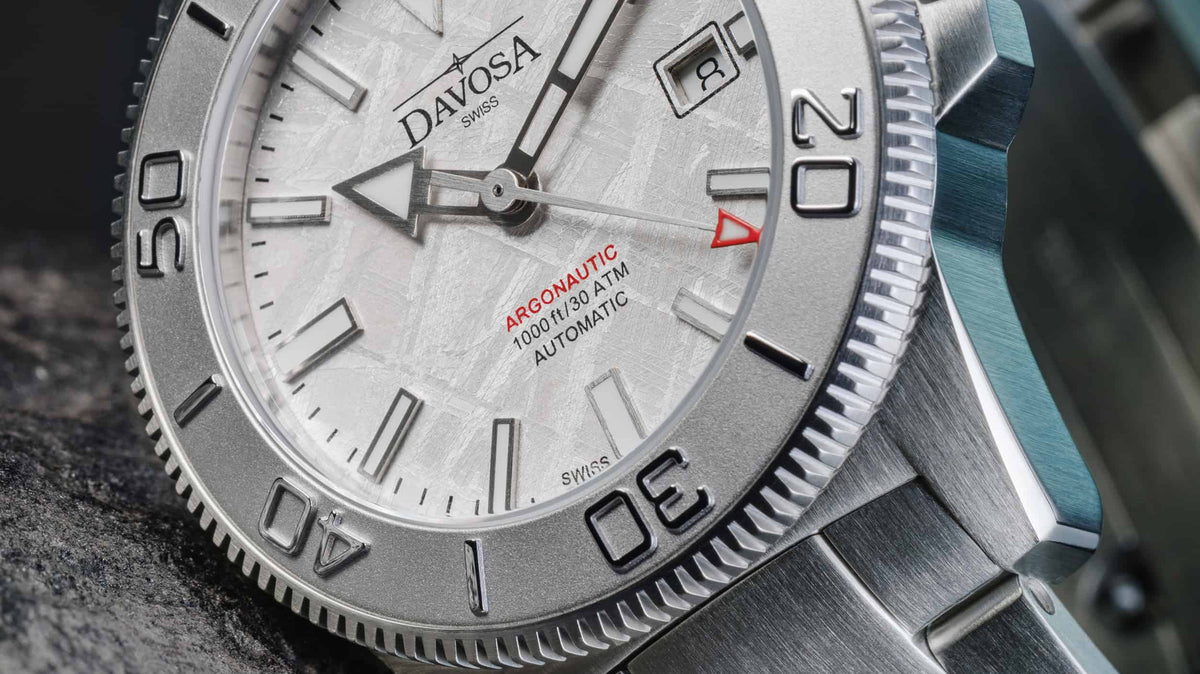
A thin slice of iron-nickel meteorite, polished and lightly etched with acid, then finished into a watch dial. The acid brings up a crisscross crystal lattice called the Widmanstätten pattern. Under the crystal it looks three-dimensional, with fine bands catching the light at different angles.

Where does the material come from?
Two meteorites supply most of the dials in the industry. The Gibeon meteorite from Namibia is one. The Muonionalusta meteorite from northern Sweden is the other, and it is the one inside the DAVOSA Argonautic Meteorite.
Muonionalusta was first found in 1906 near the village of Kitkiöjärvi, reportedly by children at play. Dozens of fragments have turned up across the region since. The metal itself is far older than the fall: it is believed to have formed in the core of an asteroid around the birth of the solar system, then reached Earth roughly a million years ago.
What makes the pattern so special?
The lattice grows during extremely slow cooling inside a large body, over millions of years. No lab or workshop can reproduce that. Each slice is cut at a different angle and from a different spot in the meteorite, so no two dials are alike, even within the same model.

Is a meteorite dial good quality?
The material is real and remarkable, but quality depends on what the watchmaker does with it. Two things matter:
- Rust protection. Meteorite iron can oxidize if left bare, so makers treat or seal the surface. A well-made dial under sapphire is built for daily wear.
- The watch around it. A dial is only as good as the case, movement and water resistance behind it.
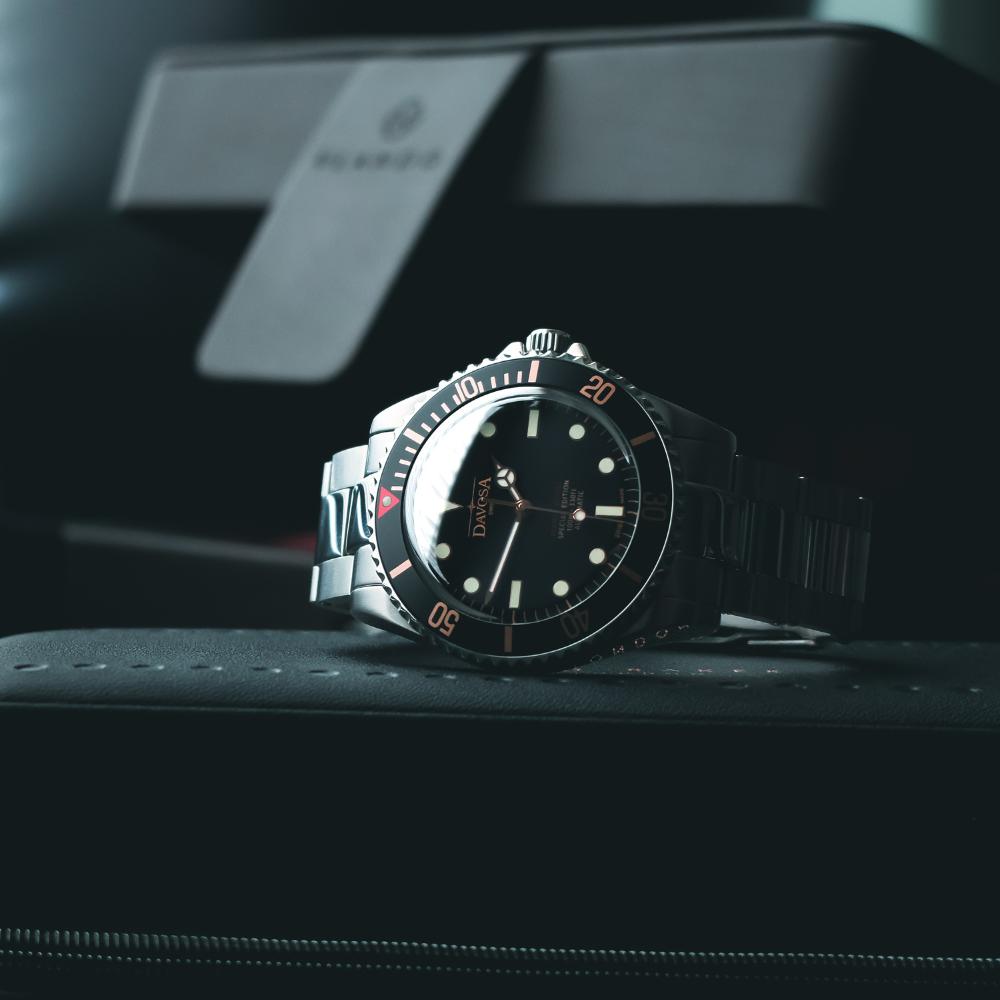
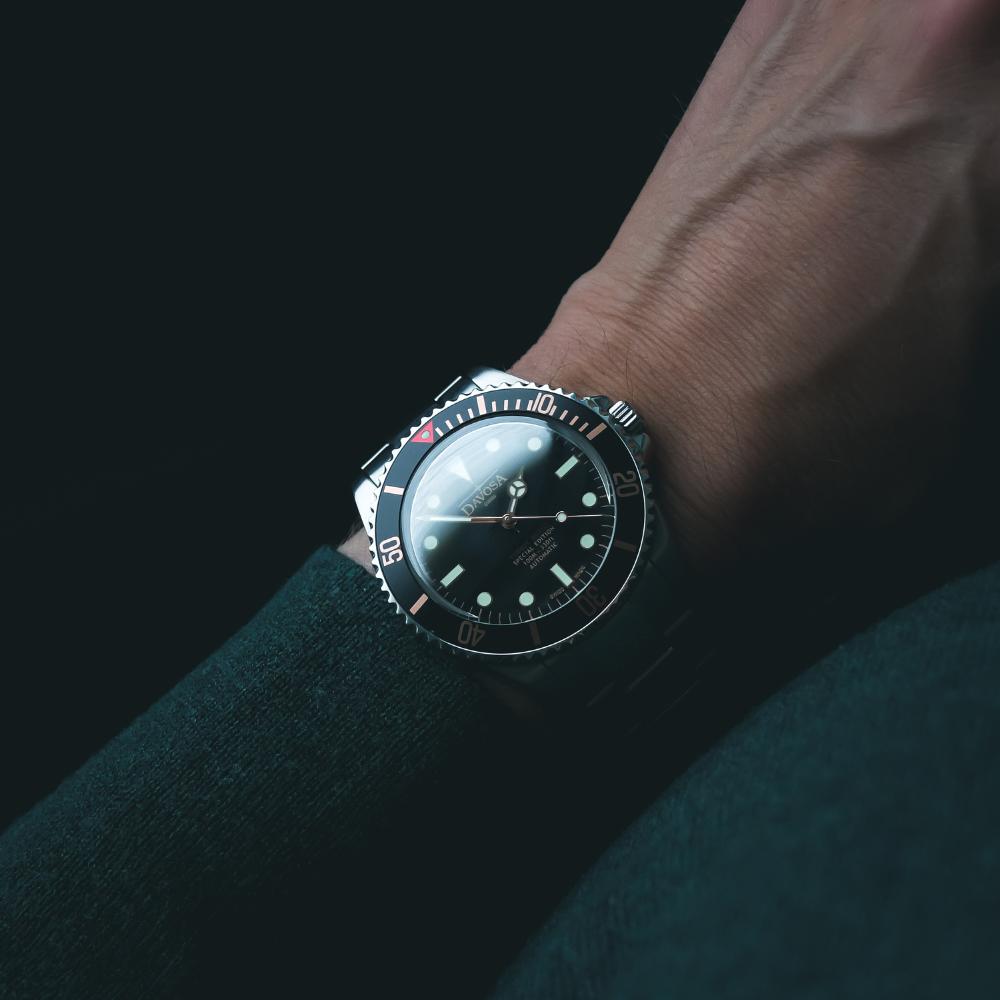
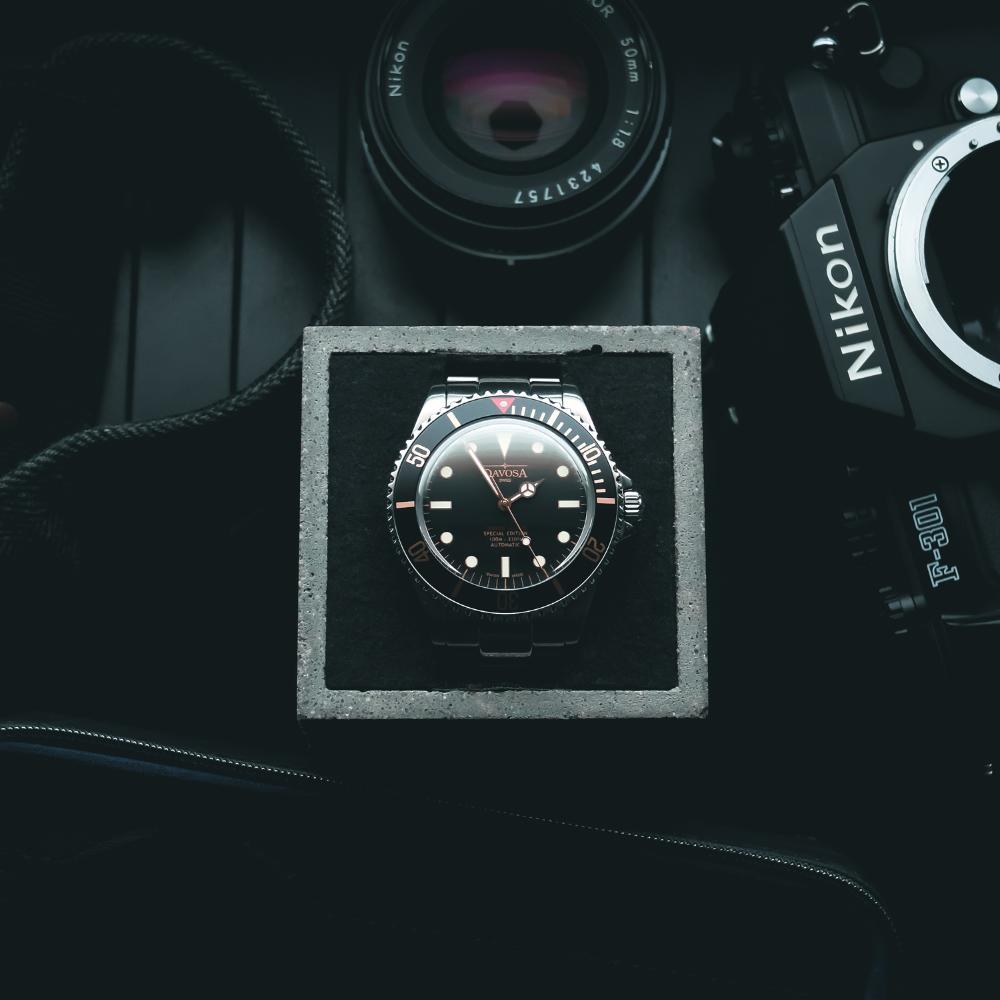
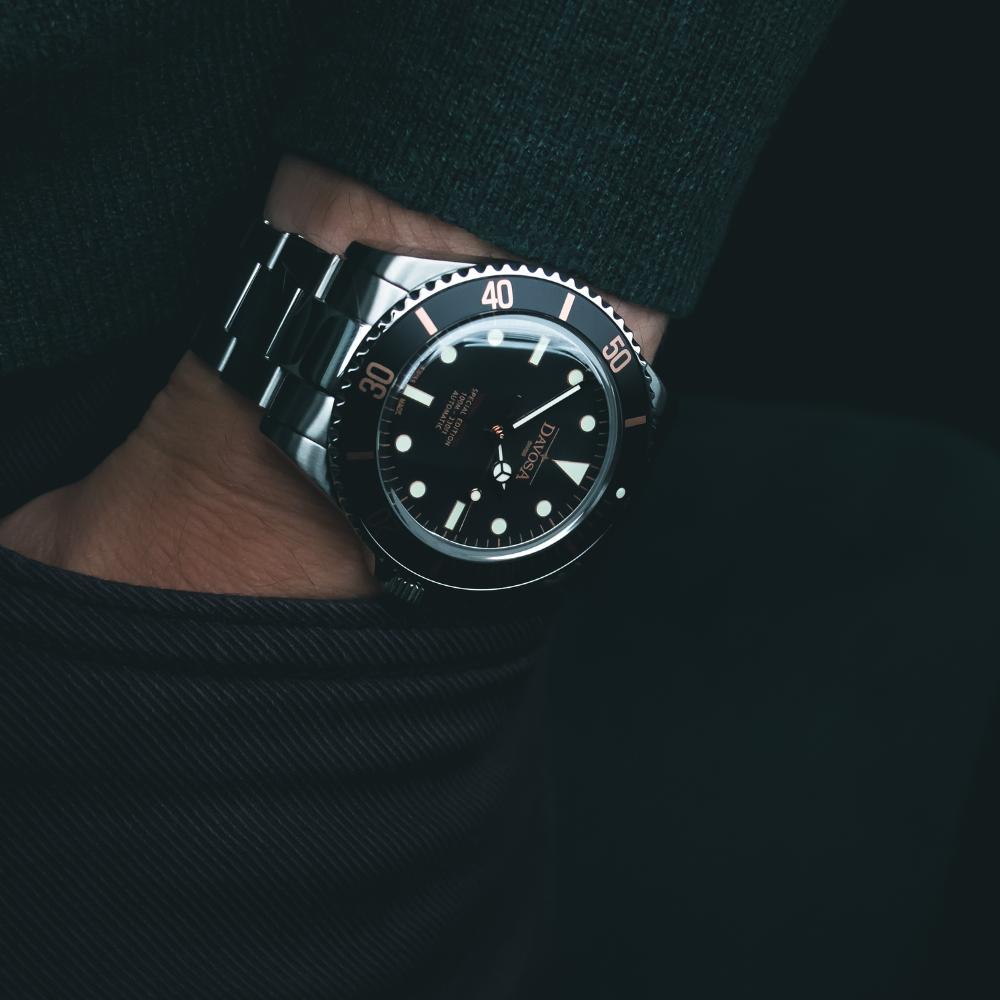
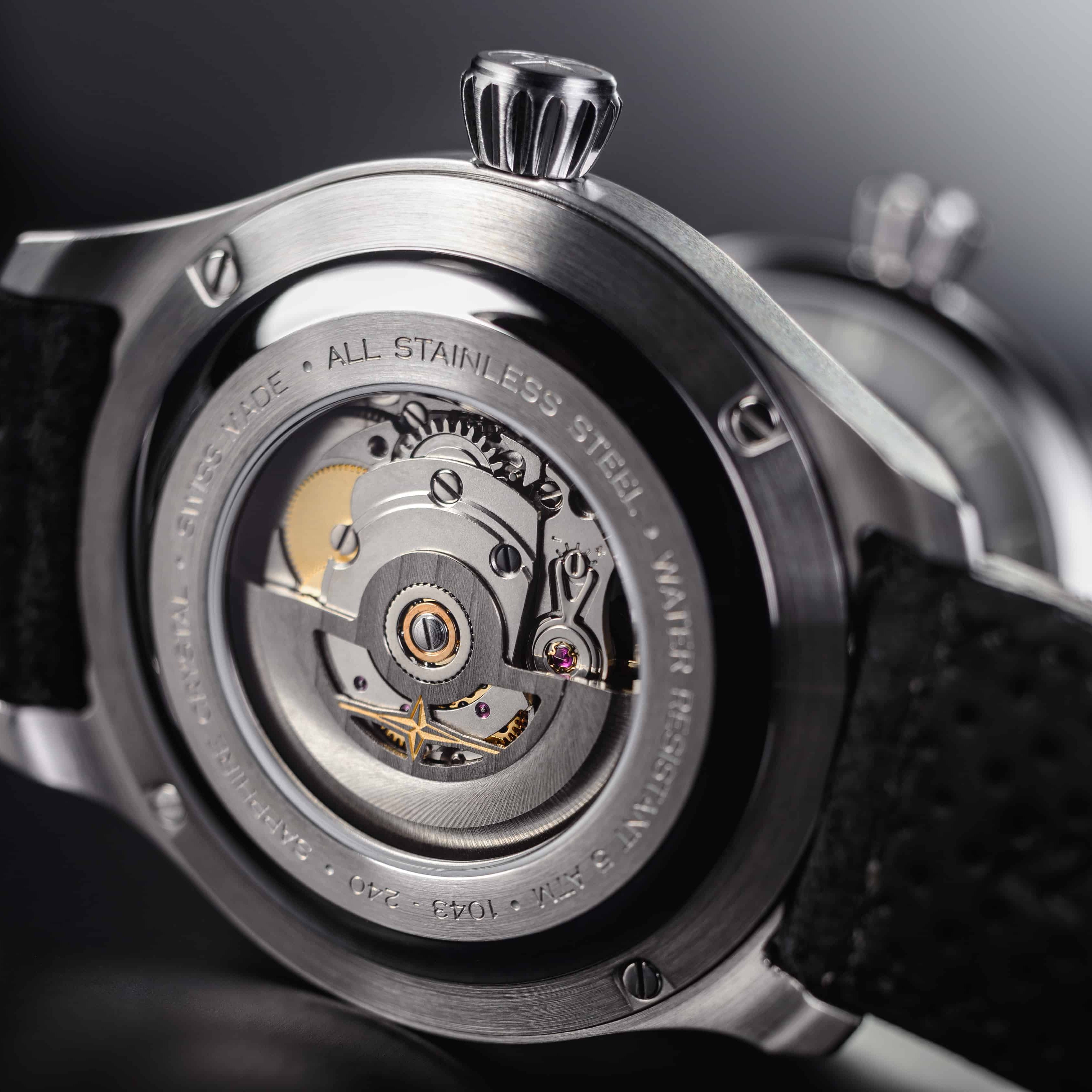
On the Argonautic Meteorite, that means a 41.5mm stainless steel case, 300m water resistance, a screw-down crown and case back, an automatic helium escape valve, a sapphire crystal, and the Swiss DAV 3021 automatic movement (based on the Sellita SW200-1) with a 41-hour power reserve. It is a real diver first, with a rare dial on top.
How to spot a fake
Genuine dials show a non-repeating, structural pattern with real depth under a loupe. Fakes are etched or laser-marked steel, so the pattern looks flat and repeats. If two "meteorite" watches have identical faces, one of them is not what it claims.

Why every collector should own at least one
- It is a one-of-one object. Your dial exists on no other watch.
- It tells a story in one glance. Every guest who asks about it gets a good answer.
- It changes with the light. Silver, grey and bright by turns, never the same twice in a day.
- It earns its place in a rotation. Next to a black diver or a field watch, it is the piece that gets picked on a good day.
- It has real pedigree. The big houses use meteorite dials for their statement pieces. Few offer one in a true 300m diver at this price.
Meet the Argonautic Meteorite
Genuine Muonionalusta dial, BGW9 Super-LumiNova that glows blue in the dark, a compass-rose case back, and a TriaLink bracelet with a micro-adjust WaveSlide clasp. $1,490 with free US shipping, duties included, a 2-year US warranty and 30-day returns.